Study in Japan: Latest Information for Student Visa Applicants
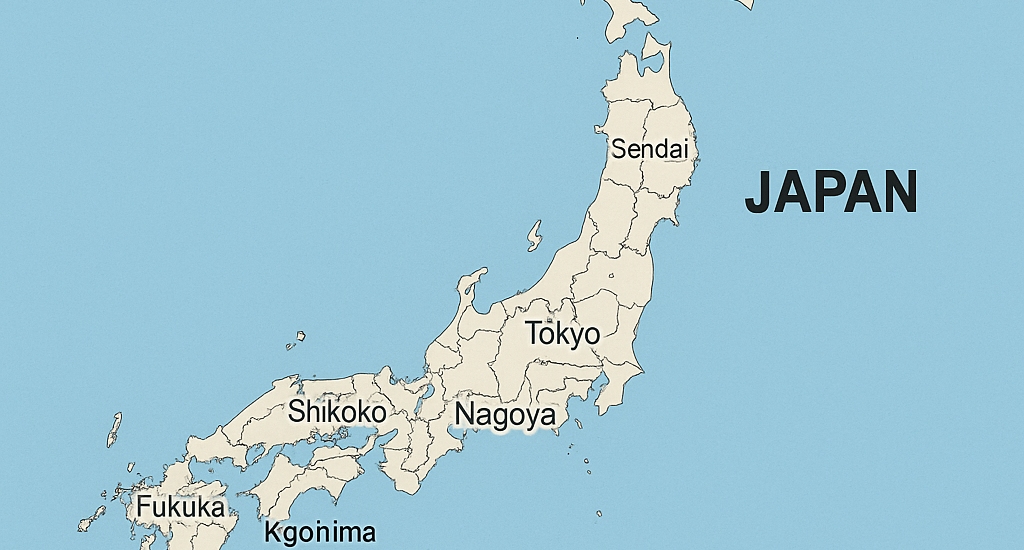
Japan is an island nation in East Asia, located in the Pacific Ocean and comprising four main islands—Honshu, Hokkaido, Kyushu, and Shikoku—along with thousands of smaller islands. The country spans an area of approximately 377,975 square kilometers. Japan’s geography is predominantly mountainous, with limited arable land concentrated in coastal plains and river valleys. Major cities like Tokyo (the capital), Osaka, and Kyoto are situated in these flatter, more developed regions. The country’s location along the Pacific Ring of Fire makes it prone to earthquakes, volcanic activity, and tsunamis.
Japan experiences a diverse climate due to its considerable north-south length. The northern island of Hokkaido has a humid continental climate, with cold, snowy winters and mild summers. Central and southern regions, including Tokyo and Osaka, have a humid subtropical climate, with hot, humid summers and mild winters. Okinawa and other southern islands enjoy a subtropical climate with very mild winters. Japan has four distinct seasons: spring (famous for cherry blossoms), summer (hot and humid, with a rainy season in June), autumn (mild with colorful foliage), and winter (cold, especially in the north, with heavy snowfall in some areas, supporting a strong winter sports culture).
Japan offers a high-quality education system that is recognized globally for its innovation, academic rigor, and cutting-edge research facilities. Universities such as the University of Tokyo, Kyoto University, and Osaka University are consistently ranked among the top institutions worldwide. Japan also offers diverse programs in English, making it easier for international students to pursue higher education in fields like engineering, business, technology, arts, and humanities.
Student Visa Categories:
The primary student visa categories are for long-term students (more than 90 days) studying at universities, technical colleges, and Japanese language schools. If you’re planning to stay for more than 3 months, you’ll need to apply for the “College Student” visa.
Application Process:
To apply for a student visa, you’ll need:
- An acceptance letter from a recognized institution.
- Proof of sufficient financial support (e.g., bank statements, scholarship letters).
- A valid passport and visa application form.
- Health insurance coverage during your stay.
- Duration & Work Rights:
A Japanese student visa typically allows you to stay for 1-2 years, with the possibility of extension depending on the duration of your program. Students on a student visa are permitted to work part-time (up to 28 hours per week) to help with living expenses. Special permissions are required for working more hours.
- Cost of Living and Budgeting:
While Japan is known for its high standard of living, the cost of living varies by location:
- Tokyo: The capital city is the most expensive, with rent prices in the central areas typically ranging from ¥80,000 to ¥150,000 per month for a one-bedroom apartment. However, living in suburban areas or smaller cities can reduce costs.
- Other Cities: Cities like Osaka, Kyoto, and Fukuoka tend to have lower living expenses compared to Tokyo, with rent often 30-40% cheaper.
- Estimated Monthly Expenses: For students, monthly living expenses (including rent, food, transportation, and utilities) can range from ¥80,000 to ¥150,000, depending on lifestyle and location.
Conclusion
Japan offers a variety of work opportunities for international students, from part-time jobs during your studies to post-graduation positions in a range of industries. The key to success is understanding the work regulations, language expectations, and cultural nuances in the Japanese work environment. By managing your time effectively and utilizing the support resources available at your university, you can balance work with your academic goals and gain valuable experience for your future career.